روزانهها
همه- 11 کتاب سوزی بزرگ جهان
- این قلب باطل شده است! نقاشی های جادو
- پیام محمد خاتمی به مراسم تولد فخرالسادات محتشمی پور وقتی کار رییس جمهور 25 میلیونی به "تولد، تولد، تولدت مبارک" می رسد.
- نگاهی به حماسه ی گیل گمش هرچند دقیق نیست اما نکات جالب توجهی دارد.
- نقش اصلاح طلبان در جنایات تا کنون این را فقط احمقها نمی خوانند تا ندانند.
- سیامین سالمرگ جان لنون مرگ زندگی، مرگ برابری
- بازتاب نامهنگاری میان دوستدار و هابرماس در محافل آلمانی
دستهها
- سینما و تلویزیون 153
- کتاب 114
- ادبیات و تفکر 79
- ترجمه 5
- سیاست 66
- واگویه 177
- روزنوشت 177
- فلسفه و تفکر 5
- عکس 6
- بازخوانی گذشته 3
- روایت باززایی 20
- تفکر انتقادی 45
- نمایش 32
- موسیقی 112
- نقاشی 8
- داستان 6
- تغییرات اقلیمی 6
- سنگ خورشید 15
- خورشید خوانی 473
- ایلیاد خوانی 9
- یافتن ِ گمشده - خوانش ِ شاملو 4
- ویدئو بلاگ 3
- سوفی 50
- شاهنامه خوانی 1
جدیدترین یادداشتها
همه- برادران کارامازوف- فئودور داستایفسکی - ترجمه ی پرویز شهدی - روایت آرمان سلطانزاده
- کوکورو اثر ناتسومه سوسه کی ترجمه ی قدرت الله ذاکری
- An Artist of the Floating World by Kazuo Ishiguro
- Lana Ray - No quiero Saber
- Naseer Shamma OUD SOLO
- این تابستون
- 'The City and Its Uncertain Walls' by Haruki Murakami
- نبودنت
- عزادارم اما به ویرانیت امیدوارم
- سن آنتونیوی خوشگل من
- Wintering by Katherine May
- Book Talk
- Daisy Miller - Henry James
- جستارهایی در باب عشق - آلن دوباتن - ترجمه گلی امامی
- اسپانیایی
بایگانی
- مهر 1405 1
- شهریور 1405 6
- مرداد 1405 1
- بهمن 1404 1
- دی 1404 2
- آذر 1404 5
- آبان 1404 6
- مهر 1404 6
- شهریور 1404 4
- مرداد 1404 9
- تیر 1404 5
- خرداد 1404 4
- اردیبهشت 1404 2
- فروردین 1404 1
- اسفند 1403 4
- بهمن 1403 6
- دی 1403 3
- آذر 1403 2
- مهر 1403 1
- شهریور 1403 3
- مرداد 1403 5
- تیر 1403 5
- خرداد 1403 5
- اردیبهشت 1403 4
- فروردین 1403 5
- اسفند 1402 2
- دی 1402 4
- آذر 1402 3
- آبان 1402 2
- مهر 1402 3
- شهریور 1402 2
- مرداد 1402 6
- تیر 1402 3
- خرداد 1402 2
- اردیبهشت 1402 1
- بهمن 1401 1
- آبان 1401 2
- مهر 1401 3
- شهریور 1401 4
- مرداد 1401 2
- تیر 1401 7
- خرداد 1401 2
- اردیبهشت 1401 5
- فروردین 1401 1
- اسفند 1400 4
- بهمن 1400 11
- دی 1400 12
- آذر 1400 15
- آبان 1400 12
- مهر 1400 1
- شهریور 1400 4
- مرداد 1400 12
- تیر 1400 17
- خرداد 1400 19
- اردیبهشت 1400 13
- فروردین 1400 8
- اسفند 1399 2
- بهمن 1399 3
- دی 1399 2
- آذر 1399 13
- آبان 1399 13
- مهر 1399 2
- شهریور 1399 8
- مرداد 1399 9
- تیر 1399 11
- خرداد 1399 18
- اردیبهشت 1399 10
- فروردین 1399 11
- اسفند 1398 10
- بهمن 1398 3
- دی 1398 6
- آذر 1398 12
- آبان 1398 4
- مهر 1398 1
- شهریور 1398 5
- مرداد 1398 4
- تیر 1398 5
- خرداد 1398 8
- اردیبهشت 1398 1
- فروردین 1398 6
- اسفند 1397 4
- بهمن 1397 1
- دی 1397 4
- آذر 1397 2
- مهر 1397 1
- شهریور 1397 2
- مرداد 1397 1
- تیر 1397 2
- اسفند 1396 3
- بهمن 1396 1
- دی 1396 1
- آذر 1396 2
- مهر 1396 1
- شهریور 1396 5
- خرداد 1396 4
- اردیبهشت 1396 1
- اسفند 1395 3
- بهمن 1395 3
- دی 1395 3
- آبان 1395 2
- شهریور 1395 1
- مرداد 1395 9
- تیر 1395 4
- خرداد 1395 1
- اردیبهشت 1395 2
- فروردین 1395 1
- آبان 1393 1
- مرداد 1393 1
- خرداد 1393 3
- اردیبهشت 1393 3
- فروردین 1393 10
- دی 1392 1
- آذر 1392 3
- آبان 1392 3
- شهریور 1392 2
- تیر 1392 3
- خرداد 1392 4
- فروردین 1392 2
- اسفند 1391 4
- بهمن 1391 7
- دی 1391 8
- آذر 1391 2
- آبان 1391 1
- مهر 1391 1
- مرداد 1391 3
- تیر 1391 5
- خرداد 1391 8
- اردیبهشت 1391 9
- فروردین 1391 13
- اسفند 1390 9
- بهمن 1390 14
- دی 1390 18
- آذر 1390 16
- آبان 1390 9
- مهر 1390 4
- شهریور 1390 17
- مرداد 1390 18
- تیر 1390 13
- خرداد 1390 9
- اردیبهشت 1390 7
- فروردین 1390 10
- بهمن 1389 2
- دی 1389 127
- آذر 1389 93
- آبان 1389 108
- مهر 1389 164
- شهریور 1389 108
- مرداد 1389 21
- تیر 1389 26
- خرداد 1389 22
- اردیبهشت 1389 7
- فروردین 1389 29
- اسفند 1388 33
- بهمن 1388 2
- دی 1388 1
- آذر 1388 3
- مهر 1388 4
- شهریور 1388 15
- مرداد 1388 18
- تیر 1388 12
- خرداد 1388 1
- اردیبهشت 1388 11
- فروردین 1388 25
- اسفند 1387 24
- بهمن 1387 25
- دی 1387 22
- آذر 1387 11
- مرداد 1387 7
- تیر 1387 22
- خرداد 1387 16
- اردیبهشت 1387 10
- فروردین 1387 6
- اسفند 1386 13
- بهمن 1386 18
- دی 1386 13
دوچرخه ی خودم
می گم فردا با دوچرخه تاندوم می ریم کنمور تا بنف. می گه نمیام. می گم یادته گفتی می خوای کلگری تا بنف با من بیای؟ این که کوتاه تره. می گم می خوام اما با دوچرخه ی خودم. می گم سخته، 15 کیلومتره. می گه پس نمیام. می گم هنوز کوچیکی اما فایده نداره. نهایتا می گم باشه اما مسیر رو برعکس می ریم بنف به کنمور که راحت تر باشه برات.
رسیدیم کنمور و تو رستوران نشستیم. غذاش که تموم میشه بلند میشه، دستش رو دراز می کنه که دست بدیم و می گه: Sir, it was a pleasure teaming up with you today.
خنده م می گیره اما سعی می کنم جدی باشم و می گم من هم همینطور. می ریم سمت اتوبوس که بریم بنف و درباره ای اینکه دفعه ی بعد باید کنمور تا بنف رو با هم بریم صحبت می کنیم.
خسته م
این روزها خیلی خسته م، خیلی دلتنگم...
هاکی
امروز روز اول کمپ تابستونه ی هاکیش بود. می پرسم خوشحالی می ری؟ می گه نه! می گم چرا؟ می گه چون پسرونه س! کلی واسش توضیح می دم که نه اینجور نیست. می رسیم کلاس و تحویلش می دم. دارم میام که می بینم همه ی بچه ها رو صف کردن. به معلمش می گم سوفی تنها دختر کلاسه؟ می گه آره! اما نگران نباش! پیش خودم فکر می کنم نکنه راست می گفت؟ وقتی برش داشتم سرحاله، می گه: من تنها دختر کلاس بودم. بهش می گم به خاطر همینه بهت افتخار می کنم.
زیارت صد کیلومتری امسال
سفر صد کیلومتری از کلگری به بنف حالا واسم تبدیل شده به یک آیینی مثل زیارت که هر سال هم توان بدنی و هم روحیم رو آزمایش می کنه و هم حالا که دیگه فاند ریزینگ شده به لحاظ اخلاقی ارزیابیم می کنه چون فعلا بیشتر خودم هستم که می دم.
می بینم که هر سال قوی تر شدم به لحاظ بدنی تا جایی که امسال تقریبا مسیر خیلی کمتر سخت بود.
ضمنا روز بعدش یه لیزی ریور خانوادگی رفتیم با رفت خودم روی بو ریور امسال که خیلی خوب پیش رفت.
اولین قایق سواری
دیروز اولین قایق سواری تنهاش رو رفت، عالی! اینکه به این سرعت تونست روی پدل بورد وایسه عالی بود. باید یه دونه دیگه بخرم!
دختر قوی من
صبح تا بعدا ظهر می ره کمپ اسکیت، بعدش شنا برخی روزها هم صخره نوردی. نه اینکه همین جوری بره، با دقت و قدرت می ره، یاد می گیره و میاد.
یادم می ره هفت سالشه وقتی می بینم انقدر قویه. باید یادم بمونه.
منافع چه کسانی به قدرت گره خورده است؟
این روزها بسیار میشنویم که افرادی که به نظر میرسد منافع خاصی در حکومت ندارند، از آن حمایت میکنند. خیلیها میگویند کسانی را میشناسند که بدون هیچ منافعی با تغییر یا حتی اصلاح این ساختار مخالفند.
در واقعیت، در جامعه ایران امروز، این جمله کمتر مصداق دارد. دلیل این تعبیر نادرست این است که منافع افراد صرفا در گرو داشتن مقامی در ساختار قدرت و نقشی مستقیم در این نظام دانسته میشود. در واقع دایرهی منافع افراد بسیار گستردهتر از تعلق مادی یا سازمانی آنها به نظام سیاسی است و میتواند موارد بسیار بیشتری را در بر بگیرد.
مثلاً ممکن است جزو والدینی باشیم که حس میکنیم تغییرات سیاسی سکولار، قدرت پدر یا مادرسالارانهی ما را با خطر مواجه میکند و به همین دلیل با تغییر قوانین حجاب اجباری مخالفت میکنیم. معتقدیم اگر نتوانیم تصمیم بگیریم فرزندانمان چه بپوشند، نخواهیم توانست آینده ی آنها را به دلخواه خود کنترل کنیم. اتفاقا حکومت هم به دلیل مشابهی بر حجاب اصرار دارد. چون اگر بتواند در شخصیترین مسائل شهروندان مثل پوشش دخالت کند، به راحتی خواهد توانست دیگر اجزای زندگیشان را هم کنترل کند.
شاید هم به عنوان یک دانشجو، استاد یا مدیر، با وابستگی به قدرت، یا به قولی به صورت سهمیهای، به تحصیلات و مقاماتی دست یافتهایم و نفی این سیستم به نوعی نفی امتیازاتیست که به ما داده شده است.
حتی ممکن است خود در ایجاد این ساختار دخیل بودهایم، مثلاً فعال سیاسی زمان انقلاب یا مدافع اصلاحطلبها بودهایم و فکر میکنیم که مخالفت با این سیستم به نوعی نفی هویتمان است.
یا شاید والدین ما بودهاند که در ایجاد این نظام نقش داشتهاند یا از طریق آن به مال و مقامی رسیدهاند که اکنون محل تامین اعتبار و زندگی ما شده است.
حتی ممکن است یک آدم مذهبی هستیم که در جامعهی مذهبزده از این راه احترامی کسب کردهایم و حالا نگرانیم تغییرات سکولارِ جامعه احترام و اعتبارمان را کم کند.
یا مثلاً هنرمند، نویسنده یا شاعری بودهایم که مهارت و هنرمان برای ترقی و پیشرفت کافی نبوده است و برای این منظور به جرثقیل قدرت آویزان شدهایم.
یا احتمال دارد موفقیت کسب و کارمان در بازار به ثبات این ساختار سیاسی بستگی دارد و بنابراین دلنگران تغییر آن هستیم.
واقعیت این است که گاهی اوقات ممکن است خودمان هم ندانیم که دلیل دلبستگیمان به قدرت چیست و آن را پای عقیدهمان بگذاریم و از خودمان بپرسیم: “آخه من چه منافعی میتونم داشته باشم؟” اما اگر کمی تامل کنیم شاید جواب آن را درون خود بیابیم.
جنگ جهانی دوم
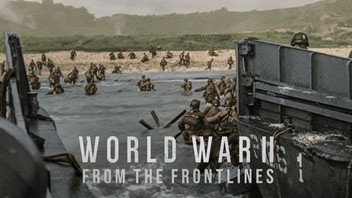
بعد از خوندن این کتاب شروع کردم به بیشتر دونستن درباره ی جنگ جهانی دوم و این دو تا سری مستند نت فلیکس خیلی خوب بودن خصوصا دومی که موضوعش نحوه ی به قدرت رسیدن هیتلر رو نشون می داد. تنها نقطه ی ضعفش گریم و بازی مسخره ی هنرپیشه ای بود که نقش هیتلر رو بازی می کرد. بارها تونستم شباهت قدرت هیتلر رو تونستم با قدرت رهبران جمهوری اسلامی مقایسه کنم. مهمترین نتیجه این بود که تقلیل دیکتاتوری و فاشیسم از یک ملت به یک شخص هم احمقانه س و هم ریاکارانه.
World War II: From the Frontlines
Hitler and the Nazis: Evil on Trial
